Afghanistan is the unhappiest country in the world — even before the Taliban swept to power last August. That’s according to a so-called World Happiness report released ahead of the UN-designated International Day of Happiness on Sunday.
The annual report ranked Afghanistan as last among 149 countries surveyed, with a happiness rate of just 2.5. Lebanon was the world’s second saddest country, with Botswana, Rwanda and Zimbabwe rounding out the bottom five. Finland ranked first for the fourth year running with a 7.8 score, followed by Denmark and Switzerland, with Iceland and the Netherlands also in the top five.
Researchers ranked the countries after analyzing data over three years. They looked at several categories including gross domestic product per capita, social safety nets, life expectancy, freedom to make life choices, generosity of the population, and perceptions of internal and external corruption levels.
Afghanistan stacked up poorly in all six categories, a confounding result coming as it does before the Taliban’s arrival and despite 20 years of US and international investment. The US alone spent $145 billion on development in Afghanistan since 2002, according to reports by the US special inspector general for Afghanistan.
Still, there were signs of increasing hopelessness.
Gallup did a polling in 2018 and found few Afghans they surveyed had much hope for the future. In fact the majority said they had no hope for the future.
Years of runaway corruption, increased poverty, lack of jobs, a steady increase in people forced below the poverty line, and erratic development all combined into a crushing malaise, said analyst Nasratullah Haqpal. Most Afghans had high hopes after 2001, when the Taliban were ousted and the US-led coalition declared victory,
“Unfortunately the only focus was on the war, the warlords and the corrupt politicians,” said Haqpal.
“People just became poorer and poorer and more disappointed and more unhappy… that is why these 20 years of investment in Afghanistan collapsed in just 11 days,” he said referring to the Taliban’s lightning blitz through the country before sweeping into Kabul in mid August.
When Masoud Ahmadi, a carpenter returned to Afghanistan from neighboring Pakistan after the 2001 collapse of the Taliban, his hopes for the future were bright. He dreamed of opening a small furniture-making shop, maybe employing as many as 10 people. Instead, sitting in his dusty 6-foot by 10-foot workshop on Saturday, he said he opens just twice a week for lack of work.
“When the money came to this country the leadership of the government took the money and counted it as their personal money, and the people were not helped to change their life for the better,” said Ahmadi.
The report warns that Afghanistan’s numbers might drop even further next year when it measures Afghans’ happiness level after the arrival of the Taliban. The economy is currently in free fall as the group struggles to transition from fighting to governing.
Arabnews
Afghanistan world’s unhappiest country, even before Taliban


Latest from Blog

Il governo britannico ha ribadito giovedì il proprio sostegno al piano di autonomia presentato dal Marocco,
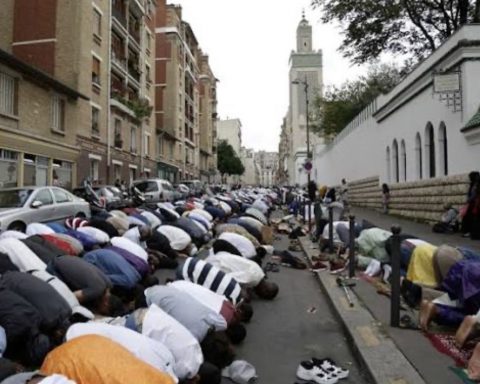
Il prefetto di polizia di Parigi, Patrice Faure, ha preso in carico un ordine per vietare

Il 2 aprile si celebra la Giornata Mondiale della Consapevolezza sull’Autismo, un’occasione rilevante per richiamare l’attenzione

Per la prima volta in oltre 50 anni, l’America torna sulla Luna con Artemis II, uno

Roberto Arditti, giornalista, autore e consulente di comunicazione, figura di spicco del mondo dell’informazione, delle istituzioni
C’è un silenzio che vale più di mille applausi. È quello che si è posato sulla

La Repubblica del Costa Rica ha dichiarato che l’iniziativa di autonomia presentata dal Marocco costituisce “la

Il Marocco si conferma tra i Paesi più sicuri al mondo secondo il Global Terrorism Index
Rabat – La Repubblica Ceca considera che una vera autonomia per il Sahara sotto sovranità marocchina

Roma, 24 marzo – Si è svolta oggi, nella prestigiosa Sala ISMA del Senato della Repubblica,