Iran has not made a decision yet about whether to extend an agreement with the UN atomic watchdog over access to surveillance footage at its nuclear sites, the country’s foreign ministry said Monday.
The remarks by Foreign Ministry spokesman Saeed Khatibzadeh come after a three-month deal between Tehran and international nuclear inspectors to preserve video data at the country’s atomic installations expired last week, following a one-month extension.
“No decision, either negative or positive has been made,” Khatibzadeh told reporters. “Neither the continuation of the deal nor the erasure (of data). We are in the previous position for the time being.”
Iran began limiting the access of UN atomic watchdog inspectors to its nuclear sites earlier this year, part of a pressure campaign on the West over its tattered 2015 nuclear deal with world powers.
Tehran was trying to push European powers to provide relief from oil and banking sanctions imposed three years ago when then-President Donald Trump withdrew America from the landmark accord. As part of that effort, Iran abandoned the accord’s enrichment limits and is now enriching uranium to 60 percent purity, its highest ever levels, although still short of weapons grade 90 percent.
In order to limit diplomatic damage amid ongoing negotiations in Vienna to resurrect the nuclear deal, Iran and the International Atomic Energy Agency reached a last-minute February agreement over Tehran’s newly imposed limits on inspections. Iran promised to save the video data for later access — but only for three months, after which authorities threatened to delete the tapes.
The move to erase the surveillance footage would steeply escalate tensions, complicating diplomatic efforts to find a path for America to lift sanctions and Iran to reimpose curbs on its nuclear program.
Nuclear deal negotiations have gathered urgency amid the presidential election victory of Iran’s hard-line judiciary chief, Ebrahim Raisi. Although known for his hostility to the West, Raisi has committed to securing sanctions relief through a return to the nuclear deal.
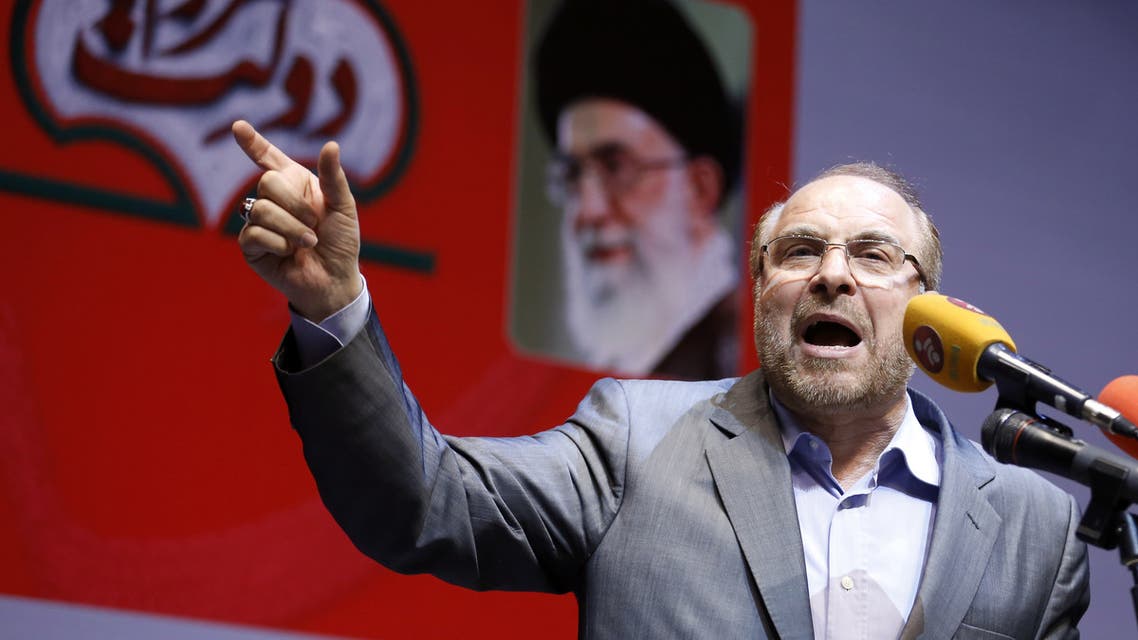
Khatibzadeh on Monday repeated that the arrival of a new administration would not affect negotiations in Vienna, since final authority rests with Iran’s Supreme Leader Ayatollah Ali Khamenei.
“Basically, it does not matter under which administration the agreement happens,” he said.
Iran: No decision on camera deal with UN nuclear inspectors


Latest from Blog
Il governo britannico ha ribadito giovedì il proprio sostegno al piano di autonomia presentato dal Marocco,
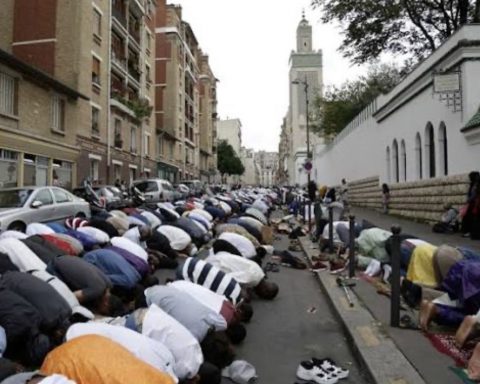
Il prefetto di polizia di Parigi, Patrice Faure, ha preso in carico un ordine per vietare

Il 2 aprile si celebra la Giornata Mondiale della Consapevolezza sull’Autismo, un’occasione rilevante per richiamare l’attenzione
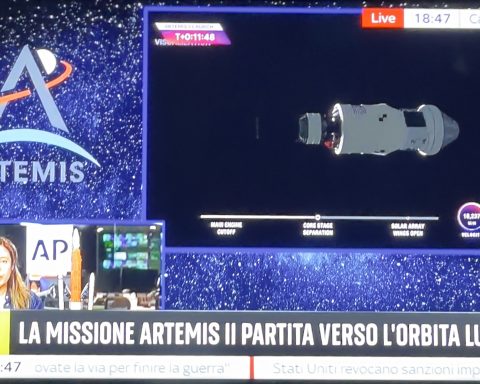
Per la prima volta in oltre 50 anni, l’America torna sulla Luna con Artemis II, uno

Roberto Arditti, giornalista, autore e consulente di comunicazione, figura di spicco del mondo dell’informazione, delle istituzioni
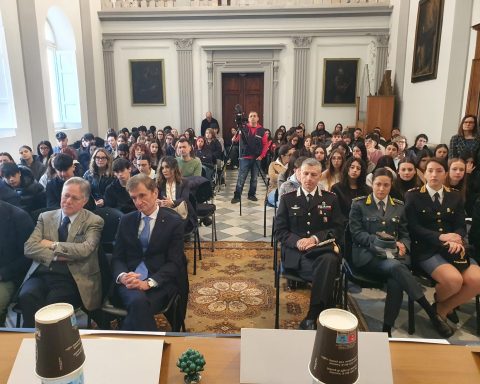
C’è un silenzio che vale più di mille applausi. È quello che si è posato sulla

La Repubblica del Costa Rica ha dichiarato che l’iniziativa di autonomia presentata dal Marocco costituisce “la
Il Marocco si conferma tra i Paesi più sicuri al mondo secondo il Global Terrorism Index
Rabat – La Repubblica Ceca considera che una vera autonomia per il Sahara sotto sovranità marocchina

Roma, 24 marzo – Si è svolta oggi, nella prestigiosa Sala ISMA del Senato della Repubblica,