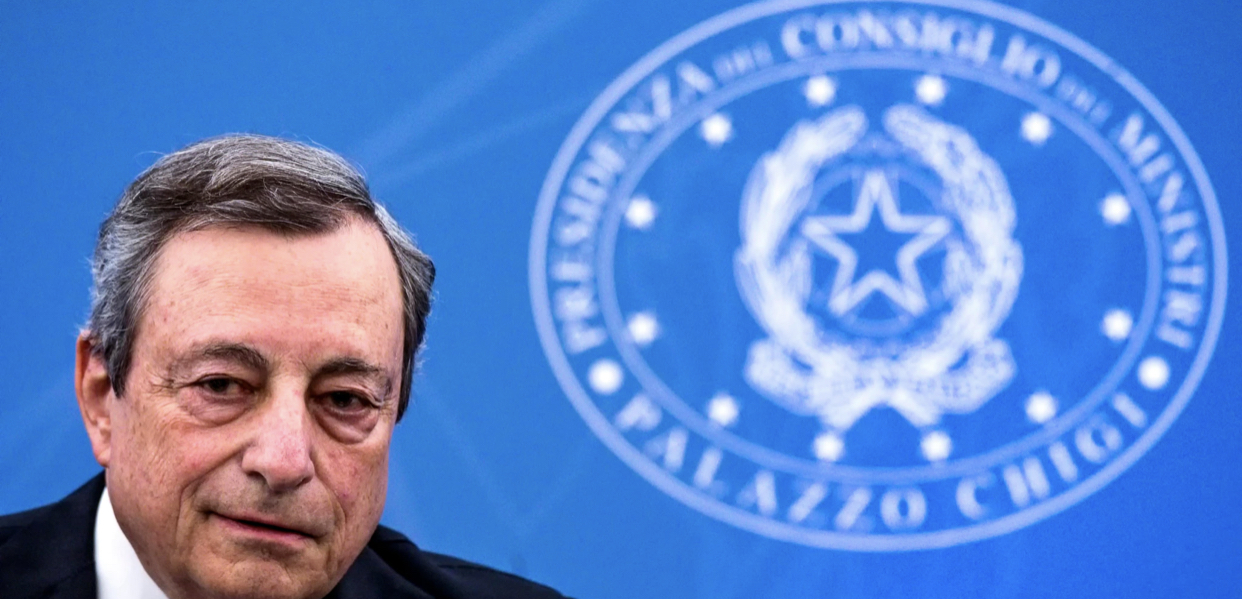
Draghi’s future uncertain in Italy’s unprecedented political crisis – Italy faced unprecedented political uncertainty on Friday as a severe government crisis put Mario Draghi’s future as prime minister on tenterhooks, raising the specter of snap elections.
The premier of Europe’s third-largest economy will have until Wednesday to shore up political support in a bid to save his coalition government, which is battling numerous challenges from soaring inflation to the war in Ukraine.
Italy’s technocrat leader, the former head of the European Central Bank, has significantly raised the profile of his country on the world stage and within Europe.
But he has presided over an unruly coalition of Italy’s top political parties, save for the far-right Brothers of Italy, that has become increasingly fractious in advance of a general election planned for early next year.
The crisis comes at a crunch time for the highly indebted eurozone member, which risks losing billions in EU post-COVID-19 recovery funds if the rollout of key structural reforms is delayed.
And the political uncertainty has rekindled fears of a surge in borrowing costs a decade after the euro zone debt crisis.
The crisis was sparked on Thursday when the populist Five Star movement, a coalition member with low poll numbers, chose to sit out a confidence vote on a cost-of-living aid package it objected to, prompting Draghi’s resignation.
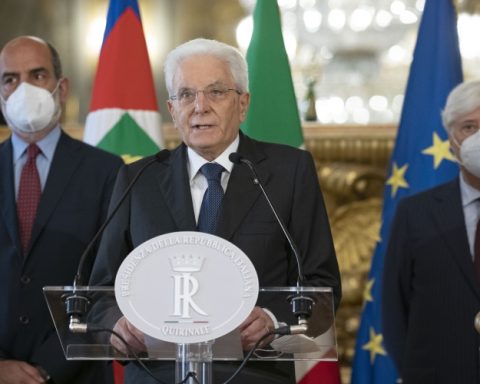
President Sergio Mattarella, who acts as kingmaker in moments of political turmoil, refused to accept Draghi’s resignation, sending the premier back to address parliament next week.
Analysts said Draghi could deliver a speech in which he outlines a new way forward and asks for a confidence vote from parliament — or he may reiterate his desire to step down.
“We have a very open-ended situation. The pressure is going up, there’s lots of diplomatic work taking place behind the scenes and we still have four days to go,” said Policy Sonar analyst Francesco Galietti.
The spread between Italy’s 10-year bond and the German Bund widened to 225 points on Friday.
“Any signal that Draghi would not survive the 2023 parliamentary elections, or even leave office before, is a cause for concern for the markets,” said Gilles Moec, chief economist at the Axa group.
Although political crises are nothing new in Italy, “this one is unprecedented because geopolitical factors are taking precedent,” Galietti said, citing tensions with Russia over its war in Ukraine.
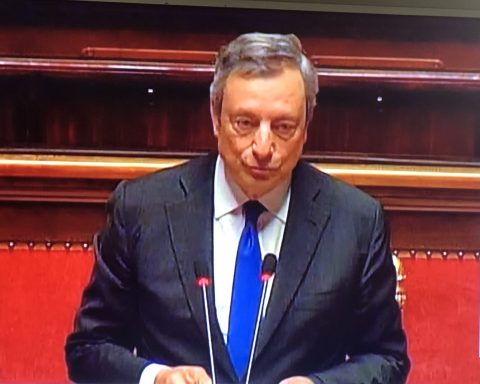
Draghi is scheduled on Monday and Tuesday to visit Algeria, a crucial gas supplier, in the wake of Italy’s boycott of Russian gas. On his return, he will address parliament, with or without a confidence vote.
Galietti said the prospect of rejecting Draghi on his return from Algeria could be “very difficult because it would expose you as a Russian stooge.” But others are more skeptical.
Many view the possibility of Draghi continuing in his mandate as extremely fraught, even though he technically has the numbers to survive a confidence vote with or without Five Star.
“The Draghi government and the coalition that supported it must continue but right now I see it as very, very difficult,” Foreign Minister Luigi Di Maio told RTL 102.5 radio on Friday.
Accounts of behind-the-scenes political jostling filled Italian newspapers on Friday.
“Draghi resigns, Italy risks chaos,” read a La Stampa daily headline.
Corriere della Sera editorialist Massimo Franco wrote that Draghi’s resignation represents the “triumph of the suicidal instincts of political Italy” due to the manoeuvering of Five Star, a party “desperate for a few percentage points to survive.”
Five Star chose to destroy the “transition to stability and normalcy … led by the most eminent personality available,” wrote Franco.
Experts view the party’s move as an attempt to appeal to its grassroots base ahead of next year’s election, given its poor poll rating of only 11 percent.
As Italy’s left-leaning and centrist parties urged support for Draghi, the right-wing Brothers of Italy and League party called for early elections.
“With Draghi’s resignation … this legislature is over,” Brothers of Italy leader Giorgia Meloni wrote on Facebook.
“This parliament no longer represents Italians… Elections now,” wrote Meloni, whose party currently leads in voter intention polls.
An early election is viewed by some political leaders as desirable “because the government’s ability to pass additional reforms and make politically difficult choices is close to exhaustion,” economist Lorenzo Codogno of LC Macro Advisers wrote in a note.
“Draghi does not want his term in office to die with painful and slow tortures.”
Draghi’s future uncertain in Italy’s unprecedented political crisis


Latest from Blog

Il governo britannico ha ribadito giovedì il proprio sostegno al piano di autonomia presentato dal Marocco,
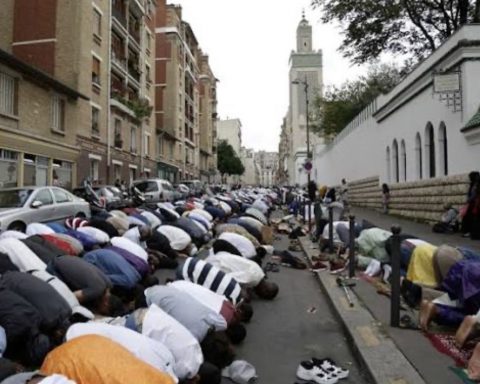
Il prefetto di polizia di Parigi, Patrice Faure, ha preso in carico un ordine per vietare

Il 2 aprile si celebra la Giornata Mondiale della Consapevolezza sull’Autismo, un’occasione rilevante per richiamare l’attenzione
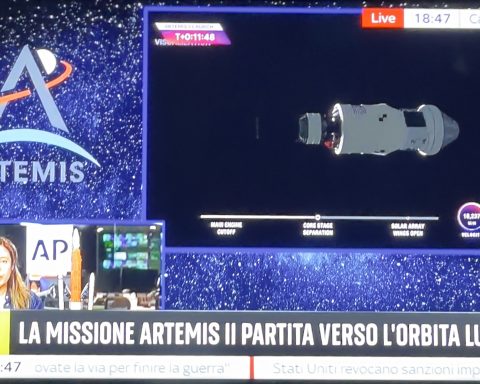
Per la prima volta in oltre 50 anni, l’America torna sulla Luna con Artemis II, uno

Roberto Arditti, giornalista, autore e consulente di comunicazione, figura di spicco del mondo dell’informazione, delle istituzioni
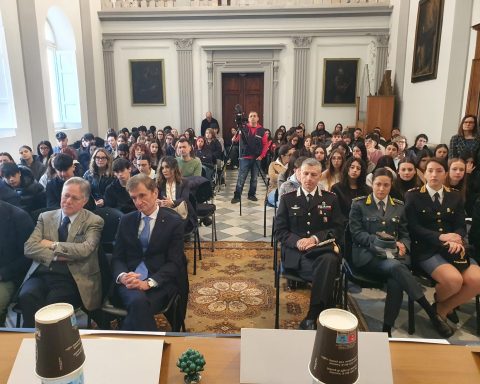
C’è un silenzio che vale più di mille applausi. È quello che si è posato sulla
La Repubblica del Costa Rica ha dichiarato che l’iniziativa di autonomia presentata dal Marocco costituisce “la
Il Marocco si conferma tra i Paesi più sicuri al mondo secondo il Global Terrorism Index
Rabat – La Repubblica Ceca considera che una vera autonomia per il Sahara sotto sovranità marocchina

Roma, 24 marzo – Si è svolta oggi, nella prestigiosa Sala ISMA del Senato della Repubblica,