Tunisians vote on constitution expanding president’s power – Tunisians began voting on Monday in a referendum on a new constitution that critics of President Kais Saied fear will maul the democracy that emerged from a 2011 revolution by handing him nearly total power.
The vote is being held on the first anniversary of Saied’s ousting of an elected parliament, when he established emergency rule and began governing by fiat.
Tunisia’s divided opposition parties have called his moves a coup that risks flinging Tunisia back into the autocratic era from before the revolution and putting the final nail into the coffin of the 2011 “Arab spring” uprisings.
Few people were out in the humid early morning streets, but at Rue Marseilles polling station in downtown Tunis, Illyes Moujahed was first in line, saying Saied was the only hope.
“I’m here to save Tunisia from collapse. To save it from years of corruption and failure,” he said.
It is not clear when the results will be announced after polls close at 2100 GMT, but with little apparent enthusiasm for the vote among most Tunisians and a boycott by major parties, analysts expect a ‘yes’ vote with low turnout.
Standing outside a cafe in downtown Tunis, Samir Slimane said he was not interested in voting. “I have no hope of change. Kais Saied will not change anything. He only seeks to have all the powers,” he said.
Under Saied’s own rules for the referendum, no minimum level of participation among the 9.2 million registered voters is needed to approve the new constitution. He has only stipulated the constitution will come into effect once the final results are published, and has not said what happens if voters reject it.
Saied has hailed his changes as the foundation of a new Tunisian republic to put the revolution back on course and end years of political sclerosis and economic stagnation.
However, while nearly all major political parties and civil society organizations have denounced his unilateral approach to rewriting the constitution and the legitimacy of the referendum, they have failed to build a united front.
Disunity was visible in protests against Saied in recent days. The Islamist Ennahda, the biggest party in parliament, took part in a protest on Saturday. Civil society organizations and smaller parties held one on Friday. A party that backed the pre-revolution autocracy held its own on both days.
The protests attracted only small numbers, but rallies organized by Saied supporters have also had only modest attendance and there has been little sign of excitement around the campaign.
Most Tunisians seem more focused on the dire economy and rising prices.
However, the economic decline since 2011 has left many people angry at the parties that have governed since the revolution and disillusioned with the political system they ran.
“I don’t support Saied, but I will vote ‘yes’ in the referendum because those protesting against it are the main cause of our problems for the past decade,” said Mohammed, a Tripoli resident.
Of the three parliamentary elections and two presidential elections since the revolution, the lowest turnout, of 41 percent, was in 2019 for the chamber that Saied has dissolved.
A turnout on Monday far below that rate would further call into question the legitimacy of Saied’s new constitution and his project to remake Tunisian politics.
Tunisians vote on constitution expanding president’s power

You might be interested in

Latest from Blog
Airbus prevede di costruire un terzo stabilimento in Marocco, come annunciato dal rappresentante Mickael Bertrand in
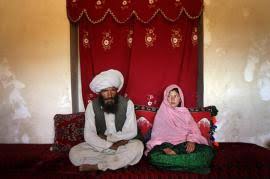
L’11 ottobre la ricorrenza istituita dall’ONU per difendere i diritti delle più giovani. L’allarme di Terre
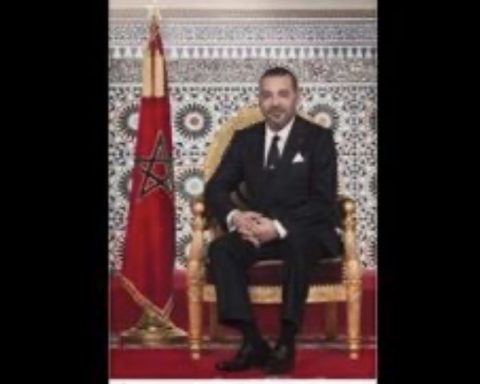
Here follows the full text of the Royal Speech: “Praise be to God. May peace and
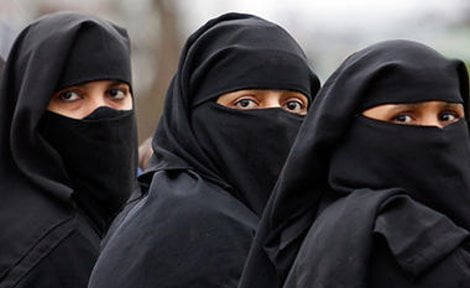
Nella risoluzione appena approvata dal Parlamento europeo sulla ‘strategia Ue contro il terrorismo islamista e l’influenza
La metropoli marocchina passa dal 138° al 39° posto nel rapporto FlightHub Unveiled 2026. A spingere
Dal proporzionale con premio di governabilità alle preferenze ma con capilista bloccati, ecco tutto quello che
L’Ufficio nazionale per il turismo del Marocco (ONMT) e la compagnia di navigazione italiana GNV, parte
In seguito agli episodi di violenza, inseguimenti e danneggiamenti che ne sono seguiti nell’area di viale
Creata una filiale dedicata alla distribuzione di tecnopolimeri in Nord Africa per seguire gli sviluppi nei
Le ultime operazioni di controllo straordinario del territorio condotte dalla Polizia di Stato a Brescia segnano