BBC probe suggests Afghan war crimes by UK special forces – Commandos in Britain’s elite Special Air Service (SAS) corps killed at least 54 Afghans in suspicious circumstances but the military chain of command concealed concerns, a BBC investigation said Tuesday.
Unarmed Afghan men were routinely shot dead “in cold blood” by SAS troops during night-time raids during the long war, and weapons were planted on them to justify the crimes, the four-year probe found.
Senior officers including General Mark Carleton-Smith, who headed UK Special Forces at the time, were aware of concerns within the SAS about the operations but failed to report them to military police, it said.
Under UK law governing the armed forces, it is a criminal offense for a commanding officer to fail to inform the military police if they become aware of potential war crimes, the BBC noted.
Carleton-Smith, who retired last month as head of the British army overall, declined to comment to the BBC program “Panorama,” which said its investigation was based on court documents, leaked emails and its own journalists’ travel to sites of the operations in Afghanistan.
The ministry of defense said prior investigations into the conduct of UK forces in Afghanistan found insufficient evidence to bring charges.
“No new evidence has been presented, but the service police will consider any allegations should new evidence come to light,” it said in a statement to the BBC.
“The UK armed forces served with courage and professionalism in Afghanistan and we will always hold them to the highest standards.”
The Panorama investigation, airing in full later Tuesday, identified 54 people shot dead in suspicious circumstances by one SAS unit during one six-month tour of Helmand province from November 2010 to May 2011.
After-action reports showed other officers were surprised at the high casualty rate being inflicted by the unit, when none of the SAS troops reported injuries in apparent firefights with Taliban militants.
“Too many people were being killed on night raids and the explanations didn’t make sense. Once somebody is detained, they shouldn’t end up dead,” one senior officer at special forces headquarters told Panorama.
“For it to happen over and over again was causing alarm at HQ. It was clear at the time that something was wrong.”
There was particular concern that SAS bullet holes found at the scene of Afghan residential compounds after the raids were all low down — indicating that suspects were kneeling or prone on the ground.
Several warnings were relayed up the chain of command, the BBC said. But the SAS squadron was allowed to finish its six-month tour — and was deployed for another in 2012.
In 2014, the Royal Military Police launched an investigation into more than 600 alleged offenses by British forces in Afghanistan, including a number of killings by the SAS squadron.
But RMP investigators told the BBC that they were “obstructed” by the British military, and the investigation ended in 2019.
Col. Oliver Lee, who was commander of the Royal Marines in Afghanistan in 2011, told the program that the allegations were “incredibly shocking” and merited a full public inquiry.
BBC probe suggests Afghan war crimes by UK special forces


Latest from Blog
Airbus prevede di costruire un terzo stabilimento in Marocco, come annunciato dal rappresentante Mickael Bertrand in
L’11 ottobre la ricorrenza istituita dall’ONU per difendere i diritti delle più giovani. L’allarme di Terre
Here follows the full text of the Royal Speech: “Praise be to God. May peace and
Nella risoluzione appena approvata dal Parlamento europeo sulla ‘strategia Ue contro il terrorismo islamista e l’influenza
La metropoli marocchina passa dal 138° al 39° posto nel rapporto FlightHub Unveiled 2026. A spingere
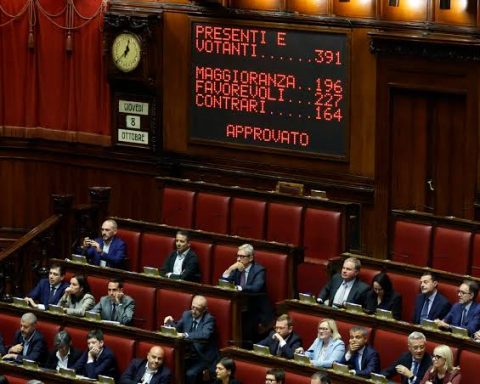
Dal proporzionale con premio di governabilità alle preferenze ma con capilista bloccati, ecco tutto quello che
L’Ufficio nazionale per il turismo del Marocco (ONMT) e la compagnia di navigazione italiana GNV, parte
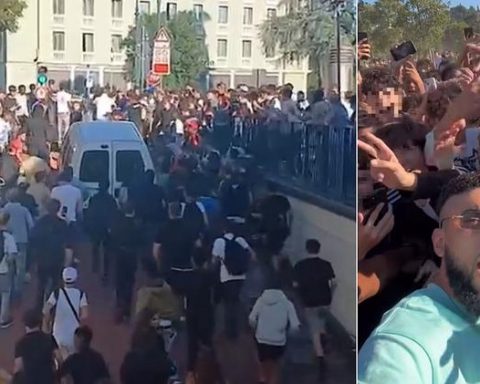
In seguito agli episodi di violenza, inseguimenti e danneggiamenti che ne sono seguiti nell’area di viale
Creata una filiale dedicata alla distribuzione di tecnopolimeri in Nord Africa per seguire gli sviluppi nei
Le ultime operazioni di controllo straordinario del territorio condotte dalla Polizia di Stato a Brescia segnano